
Best Affiliate Marketing Strategies For Beginners
Affiliate Disclaimer: Just so you know, some of the links in this article are affiliate links. That means if you click through and make a purchase, I may earn a commission — at zero cost to you. It’s one of the ways I keep this site growing and full of helpful content. Appreciate your support!
Affiliate marketing is one of the most approachable ways to start making money online as a beginner. There’s something really attractive about recommending products you genuinely like and earning a commission when someone else buys. If you’re new to all this, figuring out where to start and how to avoid beginner mistakes sometimes feels like a maze. This article is designed to make things smoother for you. Here are a few strategies pulled together for beginners, complete with practical advice and tips for those Entrepreneurs just starting out.
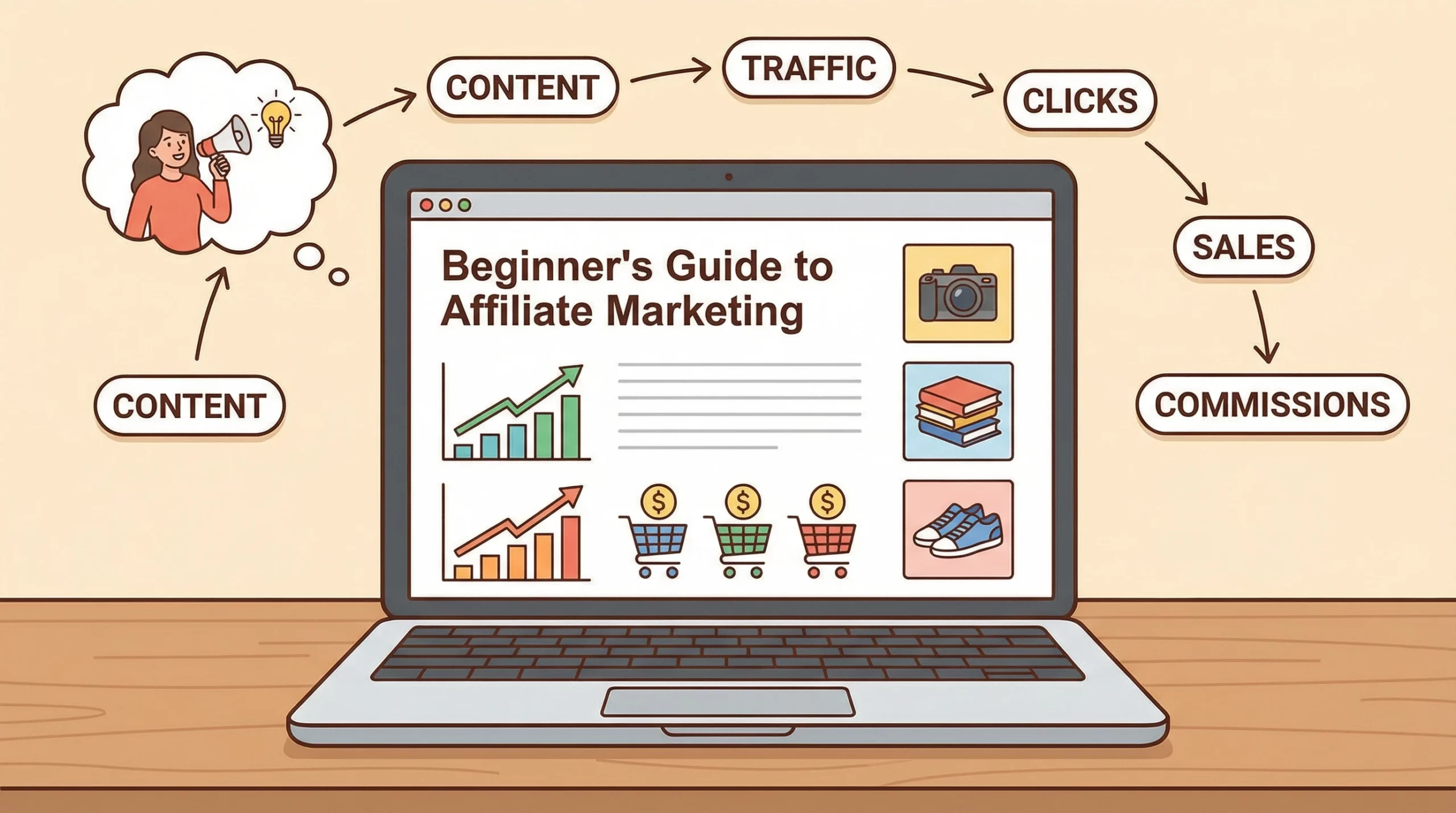
How Affiliate Marketing Works (And Why It’s Worth Your Time)
Affiliate marketing basically means you promote someone else’s products and earn a commission if someone buys through your special link. As a beginner, you don’t need to worry about creating products or handling customer service. Your focus is just helping people find great stuff that solves their problems or makes life easier.
Affiliate programs provide a huge chunk of internet commerce. According to Statista, affiliate marketing spending in the U.S. is predicted to reach over $8 billion by 2025. This growth shows that companies, as well as individuals, are finding real value in this approach. You’ll find affiliate opportunities in almost every niche, from tech gadgets and pet supplies to digital courses and travel gear.
If you want to read more about how programs work, the Shopify affiliate marketing basics guide is pretty handy for first-timers. In order to really get a sense of how affiliate links get tracked and paid out, you might also check out the terms and payment sections within any major program you’re considering. It helps to know upfront what is expected after someone clicks through from your content.
Best Affiliate Marketing Strategies For Beginners (That Actually Work)

Getting started with affiliate marketing doesn’t mean you need a massive audience or technical skills; just a smart approach and a little patience. Here are some simple strategies that are proven to help beginners build a solid foundation.
- Pick a Niche You (Sort of) Like: Focusing on just one main topic, like home fitness or ecofriendly products, actually makes everything easier. People who visit your site or channel consistently know what to expect and are more likely to trust your recommendations. Plus, lots of merchants prefer working with partners who have a targeted audience.
**Affiliate Section: Ready to turn your niche idea into a Real affiliate business? Consider using Wealthy Affiliate, a beginner-friendly Training platform that walks you through building your first money-making website step by step. When you sign up through this link, you can start setting up your niche site, picking your domain, and publishing content without needing any tech skills.
- Research Affiliate Programs Wisely: Not all affiliate programs pay well or offer solid support for beginners. Check commission rates, payment schedules, cookie duration (meaning how long after someone clicks can you still earn), and review dashboards to make sure they’re clear and usable. Well-known networks like Amazon Associates, Impact, and ShareASale are good places to find a broad mix of offers. Make sure to check the fine print on each offer’s terms too.
- Start With Content You Know (Or Are Willing to Learn): Most beginners either start with blogs, YouTube, or social media. Pick a platform you already enjoy or one you don’t mind learning. If you like writing, blog posts and emails are a good fit. Product demos or reviews on YouTube work well, even with a basic phone camera. Even Instagram Reels or TikToks can be a starting point now, especially for younger audiences.
- Create Helpful, Authentic Reviews: Instead of copying sales pitches, focus on how a product fits into real life. Share who it’s for, what you liked, and what’s not so great. Including your own photos or stories about actually using the product helps boost trust and clicks. If you can, show before-and-after results or simple tutorials so people can really get a feel for why you’re recommending it.
- Use Simple SEO For More Free Traffic: Basic keyword research and search-friendly content help your articles show up on Google. Tools like Ubersuggest or Moz have free versions for beginner-friendly keyword ideas. Write titles and descriptions that mention the product and what it helps with, like “Best headphones for working out in 2025.” Over time, this gives your site more chances to be found by people looking for exactly what you’re recommending.
***Affiliate Section: If you want to skip the guesswork and find keywords that beginners can actually rank for, check out Wealthy Affiliate’s research tool called Jaaxy Research . This tool helps you discover long-tail keywords, see how competitive they are, and organize your content plan so every article has a clear ranking opportunity.
Building Your Affiliate Platform From Scratch
Every affiliate marketer needs a place to publish content and share recommendations. Here’s what to know when setting up your main home base:
- Register a Simple Website or Blog: Buying a domain and setting up a basic WordPress site is cheap and gives you full control. Free options like Medium or Blogger work, but you’ll have fewer customization options. Avoid relying on platforms you can’t customize or that might close your account with little notice. Setting up your own platform, even if it’s basic at first, means you own your list, content, and design choices.
- Set Up Basic Tracking Tools: Google Analytics or even the default analytics dashboards from affiliate networks help you see what’s actually working. Look at which posts get clicks and where traffic comes from. Tracking helps you double down on content that’s getting results, and you can experiment with moving links or tweaking headlines to boost performance.
- Make Navigation Super Simple: When people land on your site, make it easy for them to find guides, product reviews, or your most popular tips. A clean menu, a search bar, and quick-access links to your best posts save everyone time. Use simple categories and a “Start Here” page if you’re posting lots of beginner tips.
As your site grows, consider setting up dedicated resource pages or best-of guides that gather your top reviews in one spot. This kind of organization builds trust and helps readers stick around longer, which boosts the odds they’ll click your affiliate links.
Start Building An Email List Early
Platforms change, but your email list is an asset you control. For beginners, even a small list of targeted subscribers can outperform a large but unengaged social following. Offer a simple lead magnet tied closely to your niche, like a checklist, cheat sheet, starter template, or short guide. Use email to follow up with value-packed tips, mini-case studies, and occasional product recommendations that fit naturally into the topic. Segment subscribers based on interests when possible, so each person gets product suggestions that match what they actually care about.
Even if your list starts small, make that first email sequence count; welcome new subscribers, share your story, and ask what they’re struggling with so you can recommend products that truly help. As your audience grows, you can try out simple A/B tests to see which types of subject lines and content get the most clicks.
***Affiliate Section: Once you start getting traffic, capturing emails is where your affiliate income becomes more predictable. Wealthy Affiliate Training has specific training that outlines the entire process at the Beginner Level so you know exactly how to complete the setup process.
Avoiding Beginner Mistakes In Affiliate Marketing
- Don’t Overwhelm With Too Many Links: It’s really tempting to add a bunch of affiliate links to every page, but that just confuses visitors. A couple of well-placed links with a solid story behind each one works better than a crowded page of buttons. This keeps your site looking trustworthy and not spammy.
- Don’t Skip Disclosures: Be upfront that you use affiliate links. Not only is it required by the FTC, but your readers will trust you more if you’re open about earning commissions. Place disclosures near the top of your posts or right before outgoing affiliate links for maximum transparency.
- Avoid Promoting Every Offer Out There: It’s smarter to focus only on offers you trust or that you’d share with a close friend. Poor quality promotions hurt your reputation and can mess up future opportunities, so always test or research products before recommending them.
- Don’t Ignore User Experience: Pop-ups, slow-loading pages, or mobile issues make people leave fast. Check your pages on your phone and desktop to make sure everything’s easy to use and looks clean. Make sure buttons are easy to click and links work as intended.
More Things Beginners Should Consider Before Getting Into Affiliate Marketing

- Affiliate Approval Isn’t Instantly Guaranteed: Some programs require your site to be live before they accept you. Others may ask for background info or examples of content. Don’t get discouraged if you aren’t accepted right away; just polish your site or pick another program to start with.
- Payments Often Have Minimum Thresholds: Lots of affiliate networks won’t send money until you earn at least $50 or $100. This means patience pays off, especially in the first few months. Keep an eye out for these minimum payout rules before getting started.
- Be Prepared For A Slow Start: It’s normal for results to take a while. Most affiliates see their first commissions after a few months of consistent effort, not overnight. Stick with it and track your progress so you notice improvements over time.
Advanced Affiliate Marketing Tips For Growing Your Earnings
Once the basics feel comfortable, try these tips to increase your results and set yourself apart from the crowd:
Test Different Types of Content: Besides standard product reviews, try roundup posts like “Top 5 coffee makers under $100,” comparison tables, or themed guides (“Best gifts for dog lovers 2025”). These are more likely to get shared and noticed by people searching for solutions. Even short listicle videos or podcast episodes can work for some audiences.
Optimize Click-Through Rates: Use clear call-to-action buttons (“See Today’s Price”) and place affiliate links throughout longer articles. Having links at the top, in the middle, and at the end ensures more readers have a chance to click without scrolling back up the page. Try bold colors for buttons to make them stand out.
List Building + Bonuses: Give subscribers exclusive bonus content for buying through your link, like an extra checklist or a quick-start video guide. It’s a good way to encourage action and build loyalty, as long as you’re allowed by the program’s terms. Check rules on giving bonuses before promoting.
Keep Learning With Free Tools: Stay on top of the latest trends using forums, podcasts, or YouTube channels focused on affiliate marketing.
You can also sign up for webinars, read industry blogs, or take short (often free) online courses to step up your skills. Skills like basic copywriting, SEO for beginners, or even simple design tweaks can make your affiliate content stand out.
Examples of Great Affiliate Marketing In Action

Seeing how others do things can spark fresh ideas for your own site. Here are a few ways successful affiliate marketers reach their audience:
- Tech Blogger: A blogger who reviews smart home gadgets includes clear comparison charts and quick video demos, helping readers decide faster. Their posts always end with easy-to-find links for each product reviewed. They update their content each season so readers always get the latest picks.
- Fitness YouTuber: A beginner fitness coach demos exercise gear on YouTube, showing real results and offering a simple downloadable workout plan via email signup, which later leads to honest supplement reviews and recommendations. By showing workouts and real progress, their followers trust their advice.
- Gardening Podcaster: A podcaster shares their favorite tools and seeds, linking to affiliate partners in the show notes. They answer listener questions and update recommendations each season, which builds steady trust and repeat visits. Occasionally, they invite product experts for interviews too.
Looking at these real-world examples, you can see the power of combining personal stories, real results, and consistent updates. Think about small ways you can add your unique spin or extra tip to help your audience along the way. That’s what keeps people coming back and clicking your recommendations.
Frequently Asked Questions
Q: Do I need a website to start affiliate marketing?
A: Not always! You can use social media, YouTube, or even an email list as your starting point. However, having your own website gives you more long-term control.
Q: How quickly can beginners expect to make money?
A: Most beginners earn their first affiliate commission after two or three months, but it depends on how much time you put in and your chosen niche. Consistency helps you progress faster.
Q: What are the best affiliate programs for beginners?
A: Big networks like Amazon Associates, Impact, and ShareASale are beginner friendly. For higher payouts, try niche programs relevant to your audience, like web hosting for tech bloggers or pet supply brands for animal lovers.
Getting Started in Affiliate Marketing Is Pretty Straightforward
Affiliate marketing for beginners is all about patience, trying things out, and being honest with your audience. By focusing on helpful content, building your own email list, and sticking to offers you believe in, you stand a much better shot at growing steady income over time. The best part is you can get started right now with just a basic website and a bunch of curiosity. Remember to keep experimenting, keep learning, and always put your audience’s needs at the center—success will follow.