
Innovative Strategies For Niche Selection In Affiliate Marketing
Affiliate Disclaimer: Just so you know, some of the links in this article are affiliate links. That means if you click through and make a purchase, I may earn a commission — at zero cost to you. It’s one of the ways I keep this site growing and full of helpful content. Appreciate your support!
Picking the right niche in affiliate marketing can feel overwhelming, especially with so many options floating around. Instead of just chasing after big, broad industries, finding a unique angle with an audience that’s hungry for solutions can lead to a more profitable and fun affiliate experience. Let’s break down some next-level cool strategies for niche selection, making the process simpler and more strategic.
Rethinking What a Niche Actually Means in Affiliate Marketing
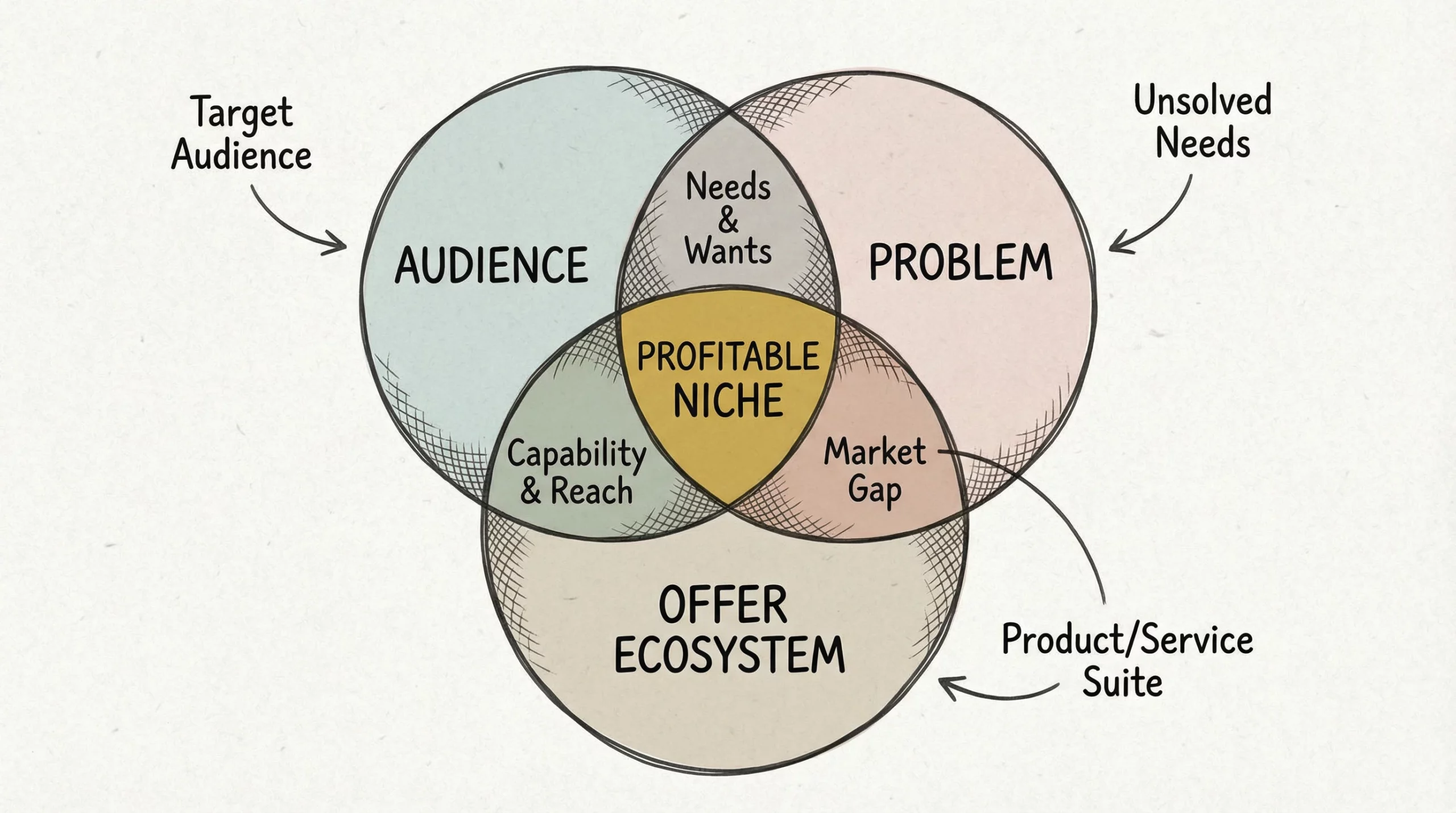
Most newcomers start by aiming for popular topics like “fitness” or “personal finance.” The catch is, huge markets attract tons of competition and make it tough to stand out. A real affiliate marketing niche isn’t just a general topic, it’s an intersection of three things: a specific audience, a specific problem, and a set of offers that solve that problem.
Think of it like this: “Fitness” is a crowded ocean. Something like “home workouts for new dads with no equipment” is a calm little cove with its own crowd. This smaller audience is facing a clear problem, figuring out how to get fit at home with a new baby and no gear. They’ll be looking for advice, product guides, and honest reviews tailored to their lifestyle. Your content, if targeted properly, suddenly feels like it was made just for them.
- Specific audience: Who are you speaking to? (New dads, senior women, busy students, etc.)
- Specific problem: What’s bugging this group? (No time, lack of space, low motivation, equipment shortage, etc.)
- Offer ecosystem: Are there enough relevant products or digital solutions available to recommend and promote?
This three-part framework turns random ideas into focused business opportunities that both you and your audience can get excited about. It also lets you avoid the burnout that comes with chasing super competitive topics just because they seem lucrative.
***If you want step-by-step training and community support while choosing your niche, consider WEALTHY AFFILIATE!!
Where to Find Unique and Underserved Niches

Unique niches aren’t pulled out of thin air. Most of the best ideas have come from keeping an eye on online communities and trends, and then combining what is seen in creative ways. Here are a few sources to check out when searching for hidden gems:
- Reddit and Quora: Community-driven Q&A sites often reveal the specific struggles people face in their daily lives. Reading through real questions lets you spot gaps in solutions and emerging interests.
- YouTube comments and niche blogs: The comment sections are gold mines for pain points and unmet needs. Sometimes you’ll spot a trending topic before bigger sites even catch on.
- Product review sites: Reading complaints and wish lists clues me in on what’s missing from the current product landscape.
- Social media groups and forums: Facebook groups, Discord communities, and even Instagram hashtags show you micro-communities rallying around niche interests and products.
It’s also worth looking at what’s trending on Google News or in new product launches on Kickstarter. Trends don’t always last forever; early movers, though, can build authority before the competition arrives in full force.
For extra inspiration, browse best-seller lists on platforms like Amazon or Etsy, and check out crowdfunding campaigns to spot up-and-coming product ideas. Real-world problems often reveal themselves in the smallest complaints—one person’s frustration might be the tip of a much bigger market opportunity.
A Practical Framework for Data-Driven Niche Validation
It pays to back up your gut with data. Jumping into a micro niche without checking if enough people actually search for your topic can leave you spinning your wheels. Here’s a simple but practical way to hone in on a high-potential niche and keep your efforts focused:
- Shortlist ideas: Jot down interesting combos of audience, problem/solution that you gather from community research. Don’t filter too much at first—cast a wide net.
- Check search demand: Plug the most descriptive keywords into tools like SEMrush, Ahrefs, Ubersuggest, or Google Keyword Planner to see real numbers.
- Look for three core signals: Adequate search volume (not always huge, but consistent), manageable keyword difficulty (not just ultra competitive terms), and clear buyer intent (keywords that indicate people are ready to spend money).
For example, instead of only focusing on “workout routines,” explore phrases like, “postpartum home strength routines with bodyweight” and then look for additional indicators like:
- A few hundred monthly searches; this shows there’s real interest, even though it’s not massive volume.
- Lower keyword competition than broader terms, so it’s possible to rank on Google with less domain authority.
- Lots of related buying phrases like “best bodyweight workout apps postpartum.” These show real-world demand and viable affiliate products or programs.
It is recommended to keep your idea list in a spreadsheet and note down keyword volumes, difficulty scores, and the types of products or digital services being advertised for those keywords. This helps to build a clear picture of what’s actually viable, and where to have a realistic shot of ranking content and earning commissions.
Tracking these metrics seriously cuts the risk of working for months on a niche that won’t pay off. Data is no guarantee of success, but without it, you’re flying blind.
***Sign up Here and Learn about one of the Best tools to use as a Niche Validation Checklist!
Buyer Intent: Why It’s Super Important for Affiliate Success

Not all keywords are created equal. Some people just want free info, but others are looking to buy now or soon. Targeting keywords that show clear buyer intent can make or break your affiliate Income. Here are a few ways to spot these keywords:
- Searches including “best,” “review,” “vs,” or “top,” such as “best home workout program for busy dads.”
- Queries using terms like “buy,” “discount,” or “coupon.”
- Longtail phrases (three or more words) that get specific about products or user needs. For example, “compact rowing machine for small apartments.”
Testing a niche’s buyer intent is pretty straightforward. Search those keywords in Google and note how many paid ads or shopping results appear. If the first page is packed with ads and review sites, that’s a strong sign the keyword attracts buyers (and advertisers), not just browsers. It can also show you potential gaps—maybe there’s space for a more targeted review or better info.
Common Pitfalls to Avoid When Choosing a Niche
It’s easy to get tripped up while narrowing down your focus. Here are a few mistakes people make, and some quick advice for dodging them:
- Going too broad: Topics like “weight loss” or “travel” are tough to break into unless you have a massive budget or an already built audience.
- Chasing only high search volume keywords: These are tempting but often mean more competition and less room for your unique angle.
- Picking a niche with no real buyer intent: Lots of people ask for tips but don’t buy anything. Make sure there are products and search queries that signal ready-to-buy readers.
- Not checking for an offer ecosystem: It pays to peek at affiliate programs, product review sites, or digital services available. Make sure you can monetize the niche before building your whole site.
Staying focused on a narrow niche with enough searchers, low to medium difficulty, and genuine products or services is the game plan for beginning Affiliate Marketers. Don’t be afraid to get creative and specific—those are often the most loyal audiences and easiest to serve.
Advanced Ways to Tap Into New Niche Markets

Niches can glow up over time, so the key is to keep refining your site’s focus as you learn what people respond to. Here are a few things to do to stay ahead of the curve and step up your niche game continuously:
- Follow social media hashtags and trending topics in your niche for new subniches or pain points. Twitter/X, Instagram, and TikTok often show what’s gaining traction in real time.
- Pay attention to new product launches in your ecosystem. Early adoption review sites get traction fast and are more likely to rank before bigger names catch on.
- Conduct quick surveys or polls with your email audience or in relevant Facebook groups. Even one open-ended question can reveal fresh problems worth tackling or new product ideas popping up from real users.
For example, when meal kit services began popping up, seasoned marketers will typically start a review section for “allergy friendly meal kits for plant based athletes.” Clear audience, clear struggle, and a fresh set of product offers. That’s where you can slip in and build authority before the broader market shows up. Constant listening and a willingness to pivot will help you stay ahead, even if your niche moves in new directions or splits off into micro niches.
Also, don’t ignore international or emerging markets. Sometimes niches are saturated in one region but wide open elsewhere, especially if you’re willing to create local content or look for recently launched products and services abroad.
***Next steps: Validate and Launch your Niche!
Frequently Asked Questions
Question: How narrow should a niche be for affiliate marketing?
Answer: Focus on targeting an audience that you can describe in simple terms, such as age, interest, or challenge. If you can picture who you’re helping and what you’ll recommend, you’re in a good spot. Super narrow isn’t always better, but too broad can make it tough to rank or convert.
Question: Can low search volume niches succeed?
Answer: Yes, especially if the products have high commissions or the buyer intent is strong. Sometimes a few hundred searches a month, if well-targeted, can do better than overly crowded markets. Just be sure there’s an actual audience who buys.
Question: How do you know if a niche is too competitive?
Answer: Check the top results for your main keywords. If you see only huge review sites and heavy ad presence, it might be worth aiming for a more specific topic or audience to carve out a slice of the market. Use keyword tools to double-check competition scores.
Parting Advice for Modern Niche Selection
Choosing a profitable affiliate marketing niche is more than just picking what’s trending or what you like. The sweet spot comes from finding a unique combo of audiences and problems, matched with proven demand and a growing offer ecosystem. By balancing gut feeling with keyword data and observing buyer intent in the wild, you’ll find niches that are both enjoyable to work in and rewarding financially.
Give these strategies a try. Hopefully, you’ll be surprised at how simple and fun the niche research process can actually be once you know what to look for. Take your time, get creative, and focus on adding value to a real group with a real problem. That’s where the best affiliate success stories start—and where yours can begin!